Strengthening Tribal Women's Voices and Leadership for Climate Risk Reduction among Tribal Communities in the Sundarbans, India
Sound of Silence: Strengthening Tribal Women's Voices and Leadership for Climate Risk Reduction among Tribal Communities in the Sundarbans, India is an action research initiative working at the intersection of climate change, ecological degradation and social vulnerability to strengthen the adaptive capacities of tribal communities in the Indian Sundarbans and inform climate adaptation policy and practice through field-based evidence. The project centres the priorities and lived realities of tribal communities, particularly Munda and Oraon women, placing indigenous knowledge, perspectives and leadership at the core of local climate action. Initially supported by the Oak Foundation and currently in its Exit Phase with the Swiss Philanthropy Foundation, SOS is working closely with 800 tribal families across eight villages in Kakdwip, Kultali, Hingalganj and Sandeshkhali I blocks.
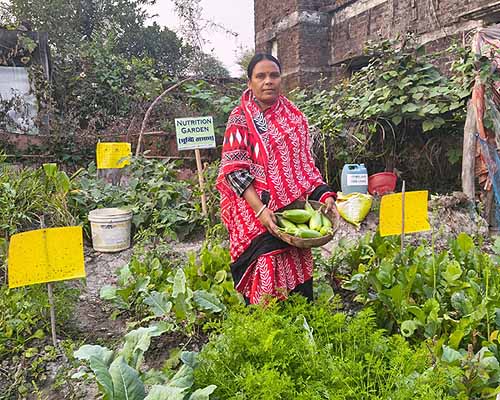
With a focus on strengthening community ownership and enabling local institutions to independently manage livelihoods, climate adaptation efforts and local support systems beyond the project lifecycle, key Exit Phase activities include:
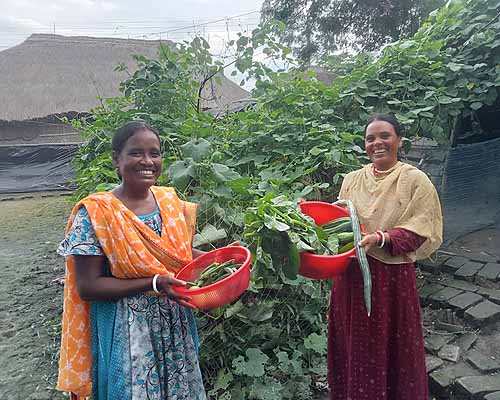
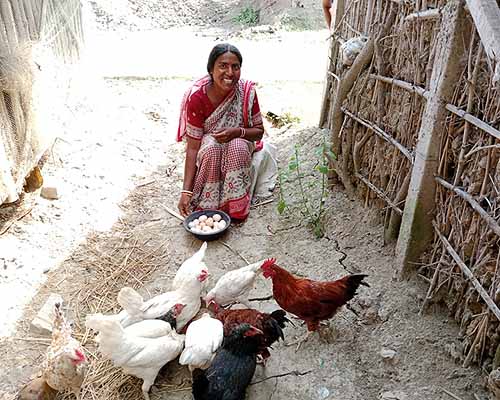
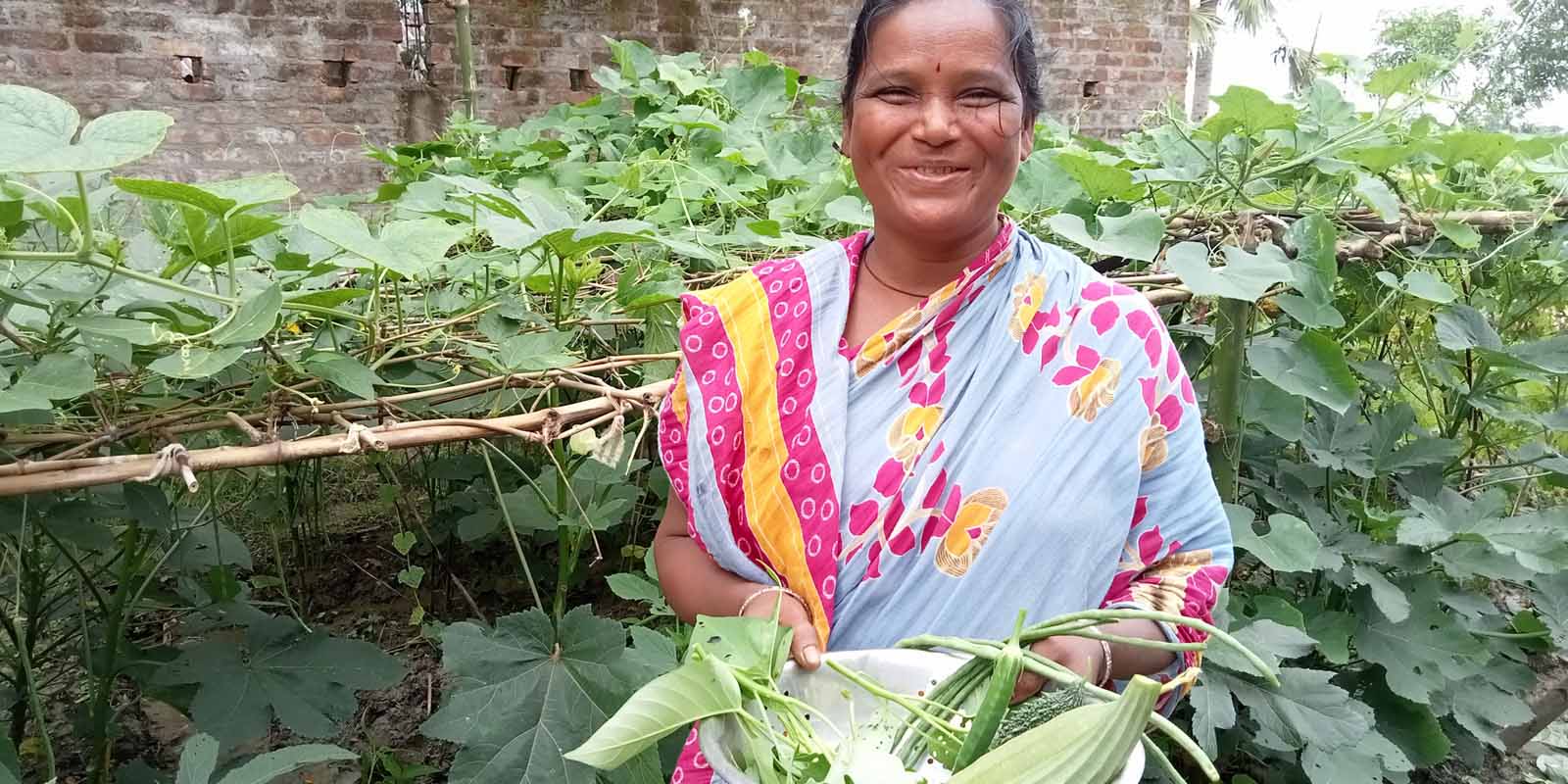
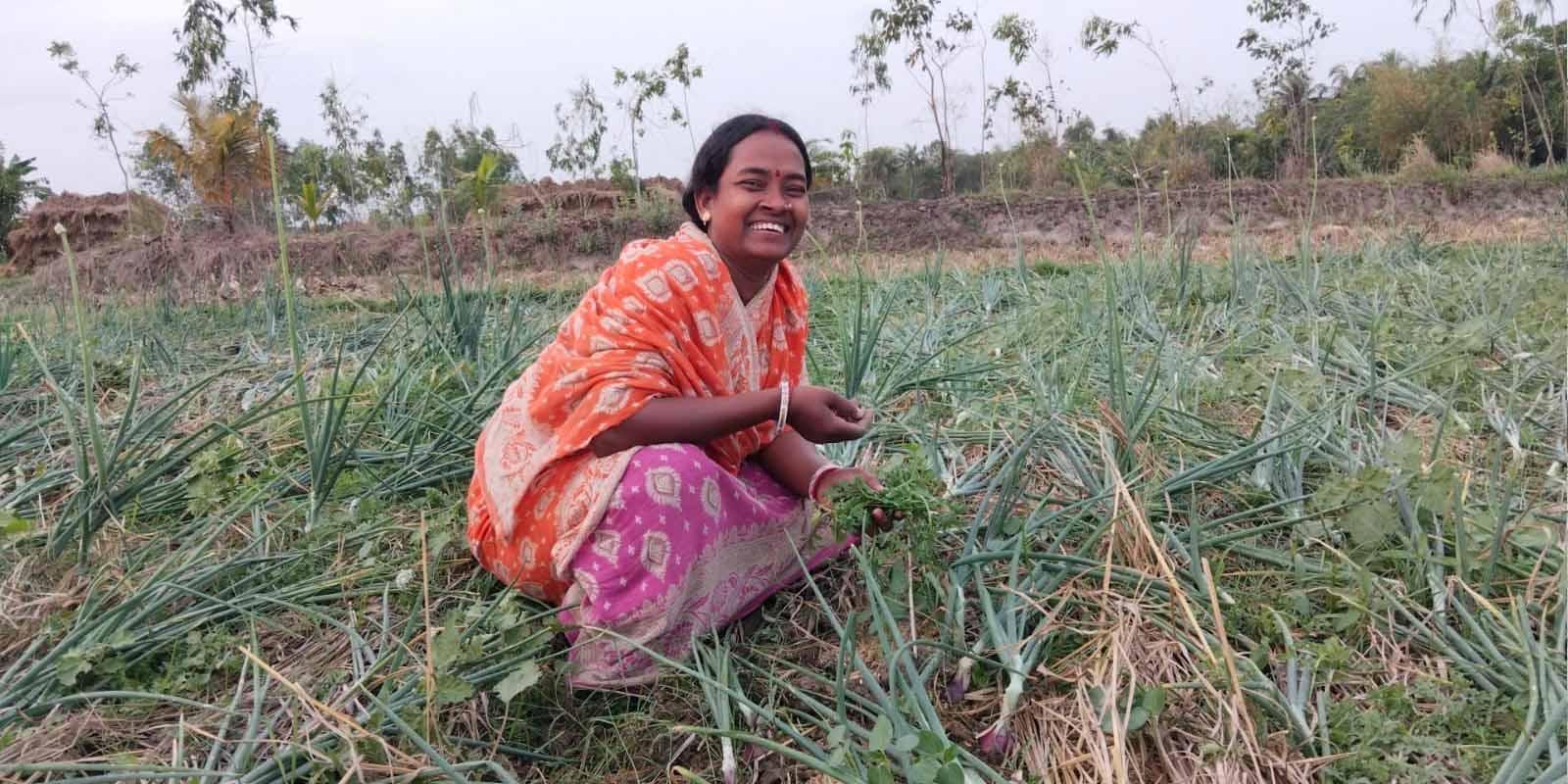
Continued support and advanced training in climate-resilient agriculture, nutrition gardens, aquaculture and livestock-based livelihoods
Training community youth in disaster response, nursery management and biogas systems
Expansion of community-led mangrove restoration and shoreline protection initiatives
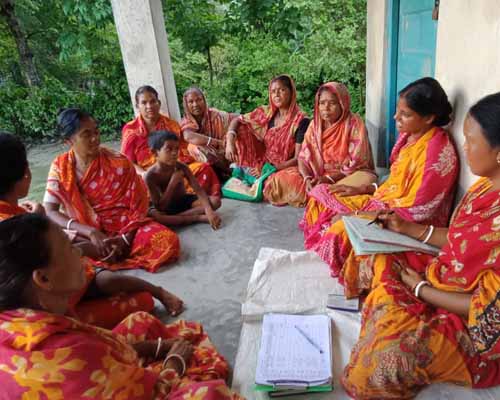
Continued support for governance dialogues and advocacy efforts to strengthen women's participation and institutional convergence and amplify community voices
Sustained promotion of learning exchanges and exposure visits for community members
Read MoreThis Exit Phase builds upon the institutional and community-led foundations developed during the project's initial years. Since its inception in June 2022, SOS has combined participatory research, local knowledge and grassroots institution-building to strengthen climate resilience, livelihood security andwomen's leadership across the project villages. Key activities during Phase I (2022 - 2026) included:
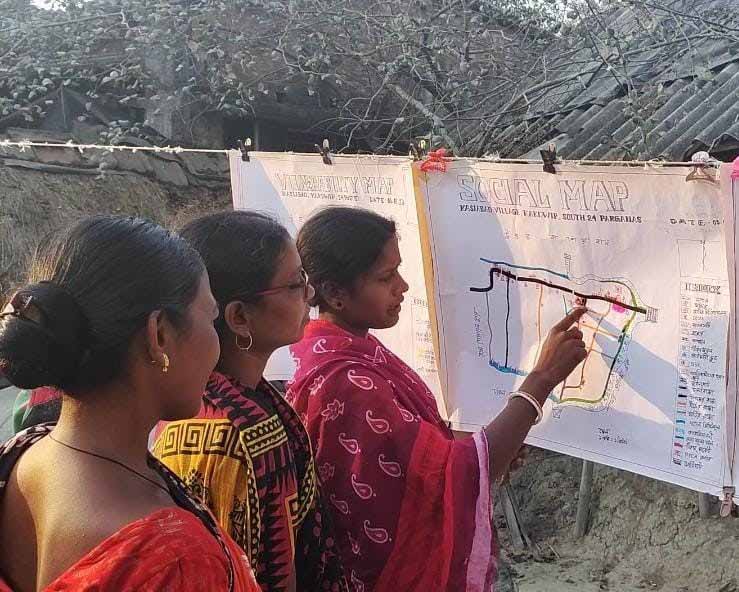
Participatory needs, vulnerability and adaptive capacity assessments
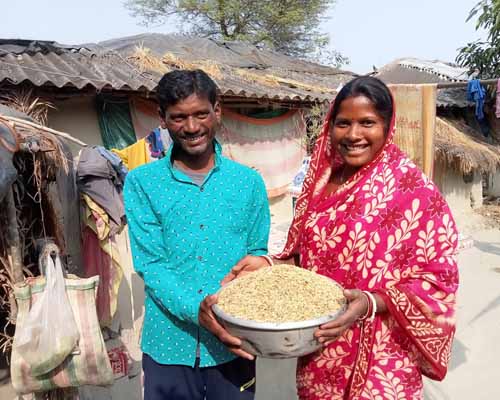
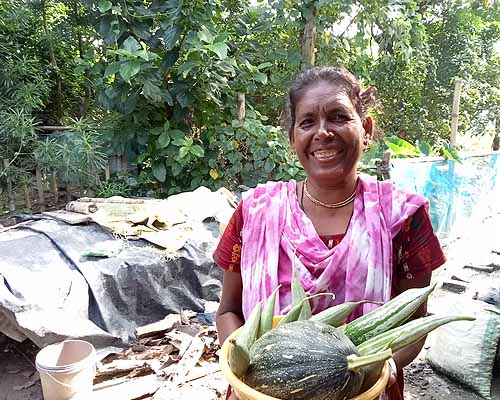
Promotion of climate-resilient and organic agriculture, nutrition gardens and integrated farming
Establishment of block-level Information Hubs providing weather information, hazard warning and agro-advisories in Bengali and support accessing rights and entitlements
Revival and use of indigenous seed varieties, alongside community seed-saving
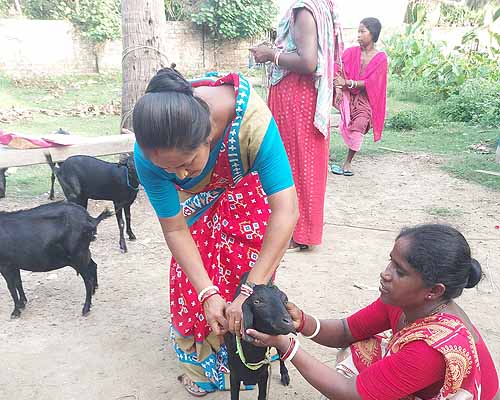
Awareness-building, farmer training and input support for diversified livelihoods including animal husbandry and freshwater aquaculture
Community health camps and the Mon-Majhi community mental health programme addressing climate-related stress and trauma
Entrepreneurship support for goat-rearing and piggery initiatives
Mangrove plantation and shoreline protection using terracotta ring structures
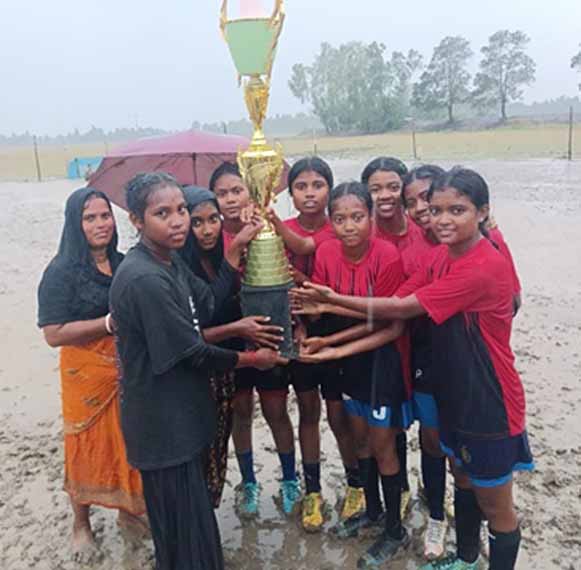
Youth engagement through eco-volunteering, football coaching, yoga and physical fitness activities
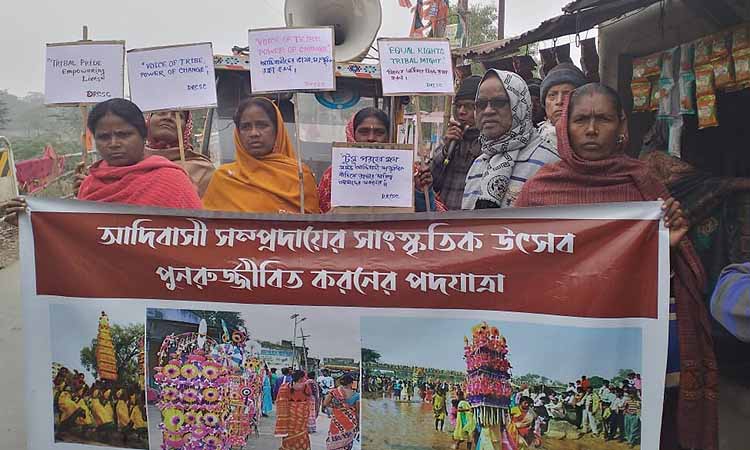
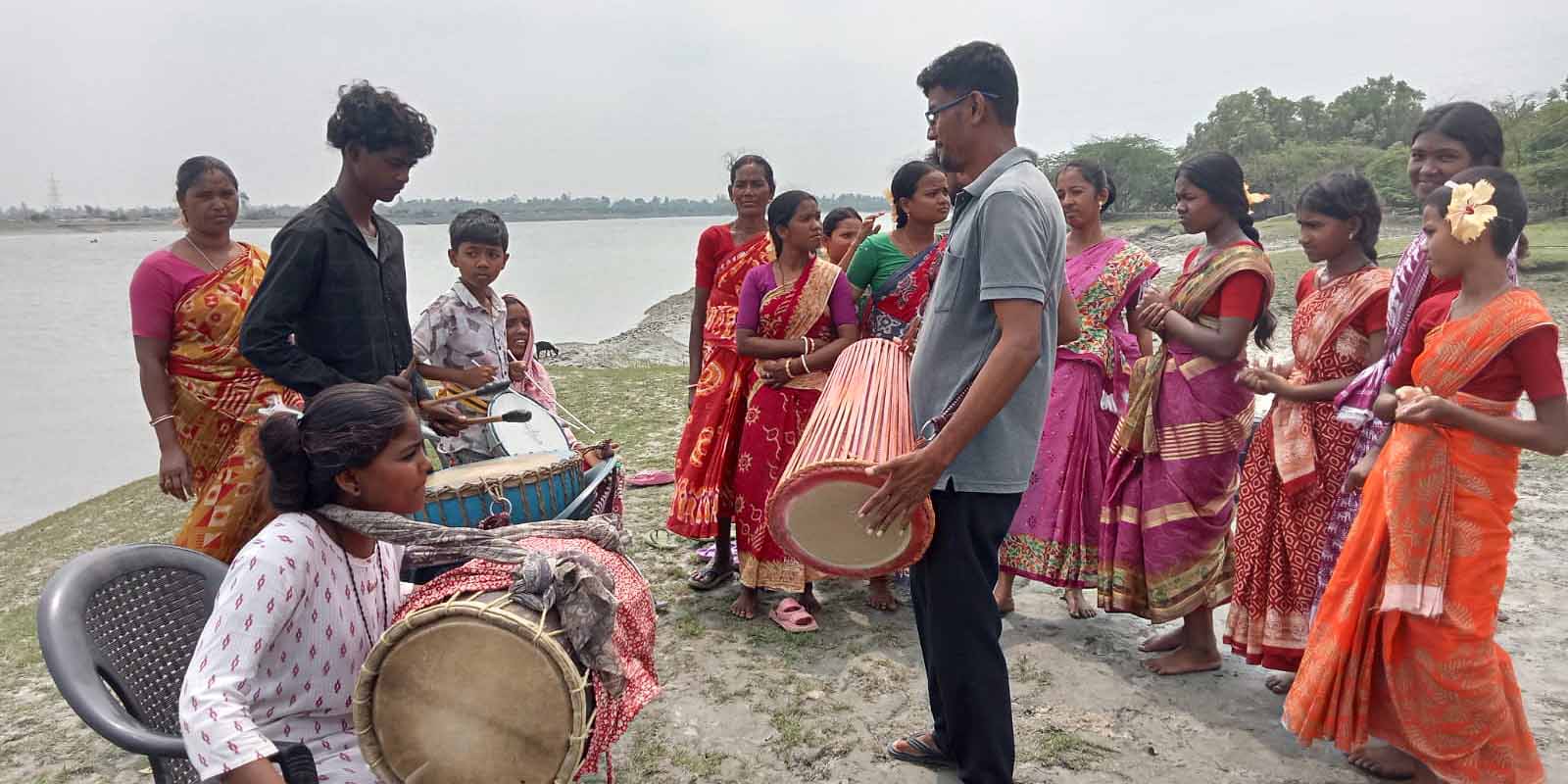
Cultural engagement and community awareness initiatives focused on indigenous identity, participation and resilience
Over the course of the project, communities increasingly began strengthening local planning, preparedness and livelihood systems in response to recurring environmental and economic uncertainties. Current work in the Exit Phase is committed to ensuring that community members emerge as active decision-makers, innovators and custodians of their own development trajectories.